Las Vegas Medical Massage Services for Therapeutic Support
Las Vegas Medical Massage Services for Therapeutic Support
Blog Article
Therapeutic Medical Massage for Symptom Reduction and Relaxation
A medical rejuvenating massage serves as a multifaceted approach to pain relief and stress relief. By incorporating methods like deep tissue manipulation and fascia therapy, it tackles chronic discomfort successfully. This therapy not only promotes physical recovery but also enhances mental health. Recognizing the importance of a calming environment and proper communication can further amplify these advantages. Exploring the specific techniques and their effect uncovers a greater comprehension of this whole-body approach.
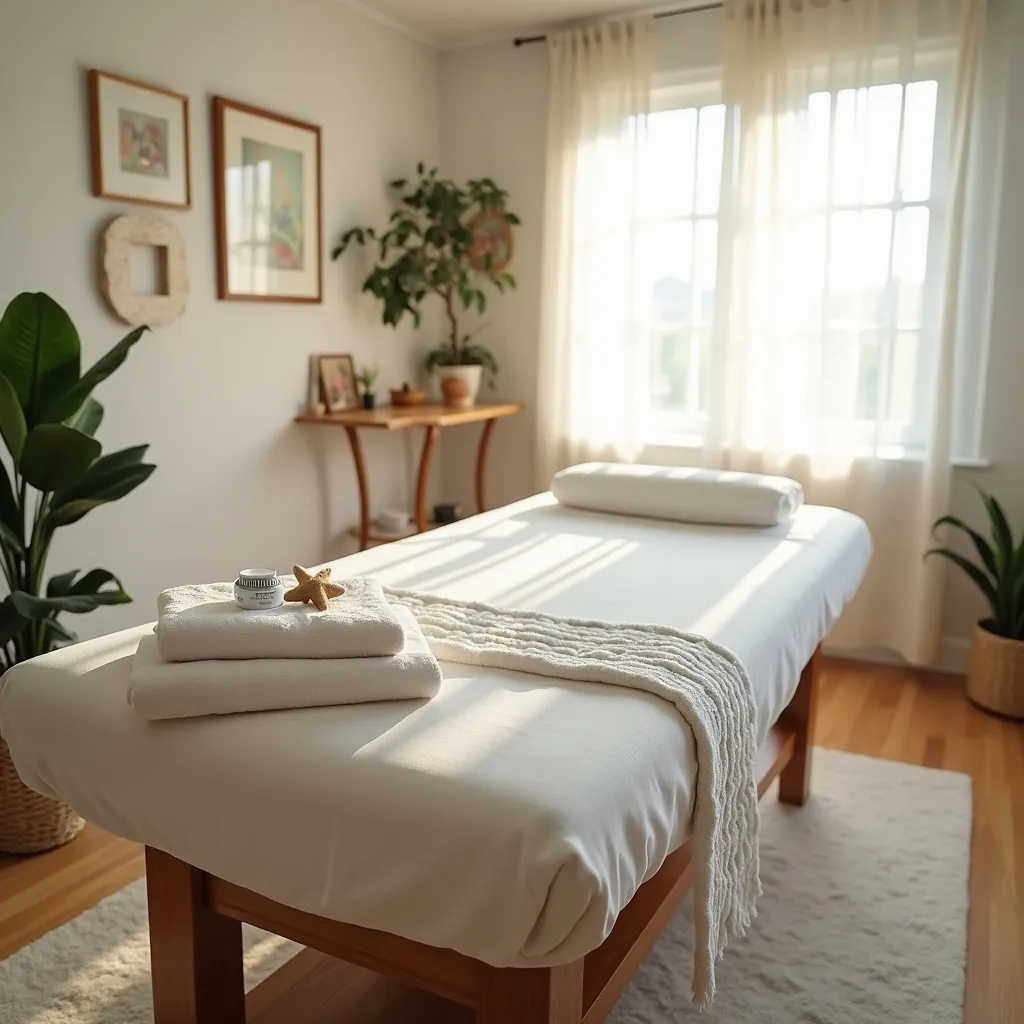
The Manner in Which Medical Massage Mitigates Chronic Pain
Medical massage tackles the underlying causes of chronic pain, providing a holistic approach to comfort. By leveraging particular methods, such as deep tissue manipulation and myofascial release, medical massage addresses both physical and emotional components of pain. Therapists evaluate individual needs, tailoring treatments to alleviate discomfort in targeted areas.
Research demonstrates that this method can reduce muscle tension, improve circulation, and increase flexibility, all of which aid in pain reduction. Additionally, the therapeutic environment promotes relaxation, which can lead to decreased stress and better overall well-being.
Patients often convey considerable betterment in their pain levels, performance, and personal well-being after undergoing medical massage. This method not only relieves pain but also bolsters patients by providing tools for personal recuperation and recovery. Overall, medical massage functions as an strong complement to conventional relief methods, fostering a extensive passage toward health restoration.
What's Part of a Refreshing Medical Bodywork?
A revitalizing medical massage includes a variety of methods designed to promote recovery and stress relief. These methods frequently include deep tissue manipulation, trigger point therapy, and myofascial release, each targeting particular muscles and fascia to relieve tightness and pain. The use of flowing movements aids in enhance circulation, supplying oxygen and nutrients to affected areas while facilitating the elimination of bodily toxins.
Additionally, health professionals may employ stretching movements to improve flexibility and range of motion, further facilitating in recovery. Aromatherapy oils and tranquil music may also have an effect, creating an space supportive of relaxation. Each session is tailored to the individual’s needs, considering factors such as injury history and personal preferences. Ultimately, a rejuvenating medical massage aims not only to alleviate physical discomfort but also to foster a sense of overall well-being, making it a whole-body approach to health.
How Relaxation Enhances Medical Massage Advantages
Creating space for relaxation serves as a key factor in amplifying the benefits of medical massage. By using relaxation techniques, patients can realize enhanced muscle recovery and overall pain relief. This connection between relaxation and therapeutic outcomes underscores the importance of a calm state during treatment.
Stress Reduction Approaches
Though different kinds of therapy exist, stress reduction methods hold an essential role in improving the advantages of medical massage. Techniques including deep breathing, mindfulness, and guided imagery help to decrease stress levels, forming a more helpful environment for healing. When people apply these techniques before or during a massage, their bodies enter a state of relaxation that increases the massage's effects. This enhanced state of calm allows better muscle response and increased blood flow, aiding pain relief and relaxation. In addition, reduced stress can lead to enhanced mental clarity and emotional well-being, making the overall experience more beneficial. Through applying stress reduction techniques, clients can enhance the therapeutic advantages of medical massage, leading to a deeper sense of rejuvenation.
Advanced Muscular Recovery
Enhanced muscular recovery starts when the body reaches a state of calm, allowing medical massage to work more effectively. During this relaxed state, blood circulation improves, facilitating the delivery of oxygen and nutrients to fatigued muscles. This process aids in the removal of metabolic waste, which can contribute to soreness and stiffness. Additionally, relaxation lowers muscle tension, enabling more thorough tissue manipulation, which improves the overall effectiveness of the massage. The release of endorphins during this process not only relieves pain but also fosters a sense of well-being. Consequently, the combination of improved circulation, reduced tension, and pain relief leads to faster recovery times and better performance for individuals, making relaxation a key component in the benefits of medical massage.
Important Approaches for Impactful Medical Massage
Effective medical massage uses a variety of techniques meant to reduce pain and facilitate healing. Among these techniques, deep tissue massage emphasizes on realigning deeper strata of muscles and connective tissue, often focusing on chronic aches and pain. Trigger point therapy pinpoints and discharges specific knots within muscles, offering immediate relief to localized discomfort. Swedish massage, characterized by long, flowing strokes, enhances relaxation while improving circulation and flexibility. Additionally, myofascial release manages restrictions in the fascia, permitting greater mobility and lessening tension. Sports massage, adapted for athletes, blends techniques to avert injuries and relieve muscle soreness post-exercise. Each of these methods can be adapted based on individual needs, ensuring a thorough approach to pain management. By blending these techniques, medical massage practitioners aim to create a balanced therapeutic experience that addresses both physical discomfort and emotional stress, ultimately promoting an environment conducive to healing.
Advantages of Boosted Blood Flow Via Massage
Enhanced blood flow through therapeutic rubdown provides several substantial benefits, such as improved oxygen delivery to tissues. This increased blood flow aids in the removal of toxins, supporting overall health. Additionally, enhanced circulation facilitates muscle recovery, allowing for faster healing and reduced pain.
Optimized Oxygen Distribution
Throughout the body's experience with the soothing effects of medical massage, improved oxygen delivery represents a notable benefit of increased circulation. The working of soft tissues stimulates blood flow, which boosts the transport of oxygen-rich blood to muscles and organs. This heightened oxygen delivery not only enhances cellular function but also aids tissue repair and recovery. Increased oxygen levels can reduce fatigue, decrease muscle tension, and promote overall relaxation. Additionally, improved oxygenation may strengthen endurance and performance in physical activities. Medical massage therefore plays a crucial role in optimizing the body's oxygen supply, contributing to a more efficient healing process and a heightened sense of well-being. This benefit underscores the importance of incorporating massage therapy into regular health routines.
Harmful Substance Removal Advantages
Medical massage, when added routinely into wellness routines, can strongly contribute in the removal of toxins from the body. The manipulation soft tissues during massage promotes blood circulation, thereby improving delivery of oxygen and nutrients while aiding the discharge of metabolic waste. This action helps to flush out toxins such as lactic acid and other waste products accumulated in muscles and tissues. Enhanced circulation supports lymphatic drainage, which is significant in immune function and detoxification. As toxins are effectively eliminated, individuals may notice reduced inflammation and enhanced overall well-being. Thus, medical massage not only provides immediate relief but also promotes a healthier body state, enhancing long-term wellness and health.
Improved Muscle Recuperation
Medical massage markedly speeds up muscle recovery by improving circulation throughout the body. Increased circulation supplies important nutrients and oxygen to muscle tissues, aiding faster recovery and minimizing soreness after physical effort. The process not only reduces tension but further aids in flushing out metabolic waste that builds up during strenuous activity. Moreover, massage activates the lymphatic system, which helps in detoxifying the body. Promoting relaxation while decreasing muscle stiffness, medical massage provides a perfect setting for healing. Athletes as well as injury recuperators especially benefit from this approach because it boosts performance and endurance. To conclude, improved circulation through massage is a crucial component of effective muscle recovery strategies.
Tips for Locating the Best Medical Massage Therapist
How can someone ensure they find the right medical massage therapist? The selection process starts with verifying credentials. A skilled therapist should carry applicable certifications and licenses, confirming they have completed adequate training. Additionally, gathering referrals from health practitioners or reputable individuals can be priceless.
Next, it is crucial to evaluate the clinician's background, particularly in treating particular ailments or trauma. This expertise can significantly impact therapeutic results.
Additionally, a potential customer should assess the therapist's communication approach; a quality therapist will pay close attention and offer a thorough discussion to meet personal requirements.
In conclusion, the context plays a vital role in determining the complete outcome. A serene, tidy setting can improve ease and well-being. By following these guidelines, individuals can better navigate their choices, ultimately resulting in a more effective and satisfying medical massage experience.
Discover What Happens During Your First Medical Bodywork Visit?
During the first medical massage session, clients can generally expect a structured and informative process. Upon arrival, they will likely complete a health intake form, detailing medical history and specific areas of concern. This information helps the practitioner customize the treatment to personal requirements.
Next, a discussion will take place, facilitating the therapist to address any questions and formulate treatment goals. Clients are inspired to communicate honestly about their personal comfort throughout the session.
The treatment may incorporate different techniques, focusing on reducing pain and promoting relaxation. Patients need to know that intensity can be adjusted to suit their needs.
After the session, health professionals often present recommendations for follow-up care or self-management strategies, accentuating the criticality of ongoing communication. Overall, the first session aims to create understanding and set the foundation for effective treatment thereafter.
Frequently Asked Questions
Does Medical Massage Offer Support for Managing Anxiety and Stress?
Medical bodywork can certainly assist with stress relief and anxiety management. By promoting relaxation and reducing muscle tension, it enables people address emotional distress, strengthening overall well-being and instilling a feeling of serenity in their lives.
How Often Should I Get a Clinical Massage for Optimal Results?
To attain optimal results, it is typically suggested that individuals receive medical massages once a week. However, frequency may vary depending on personal requirements, particular conditions, and expert advice from a qualified massage therapist.
Is Therapeutic Medical Massage Safe for Everyone, Including Pregnant Individuals?
Medical massage is typically safe for many clients, such as pregnant individuals, but it is crucial to speak with a healthcare professional beforehand. explore the details Customized evaluations guarantee that specific conditions and needs are handled suitably for wellbeing.
What Ought to I Put on Throughout a Medical Massage Session?
During a therapeutic massage session, people should put on relaxed, baggy attire that allows for easy mobility. Undergarments are ordinarily adequate, but clients may also select a robe furnished by the therapist for added comfort.
Can You Experience Any Complications From Medical Massage Therapy?
Therapeutic massage may induce transient side effects like tenderness, swelling, or weakness. Intermittently, individuals might undergo emotional expressions or heightened reactions. Reaching out to a practitioner can facilitate addressing any apprehensions before and after treatment.
Report this page